




 Contact us
Contact us
Contact us

Spending on Facebook ads is easy. Turning that spend into qualified leads is the hard part.
A good facebook advertising agency doesn’t just write ads, pick audiences and send you a report full of clicks. It connects the whole lead path: offer, creative, landing page, follow-up and tracking.
That matters because attention doesn’t pay wages. Enquiries do.
If your ads get clicks but your sales team is chasing poor leads, Facebook isn’t the problem. The system behind the ad is.
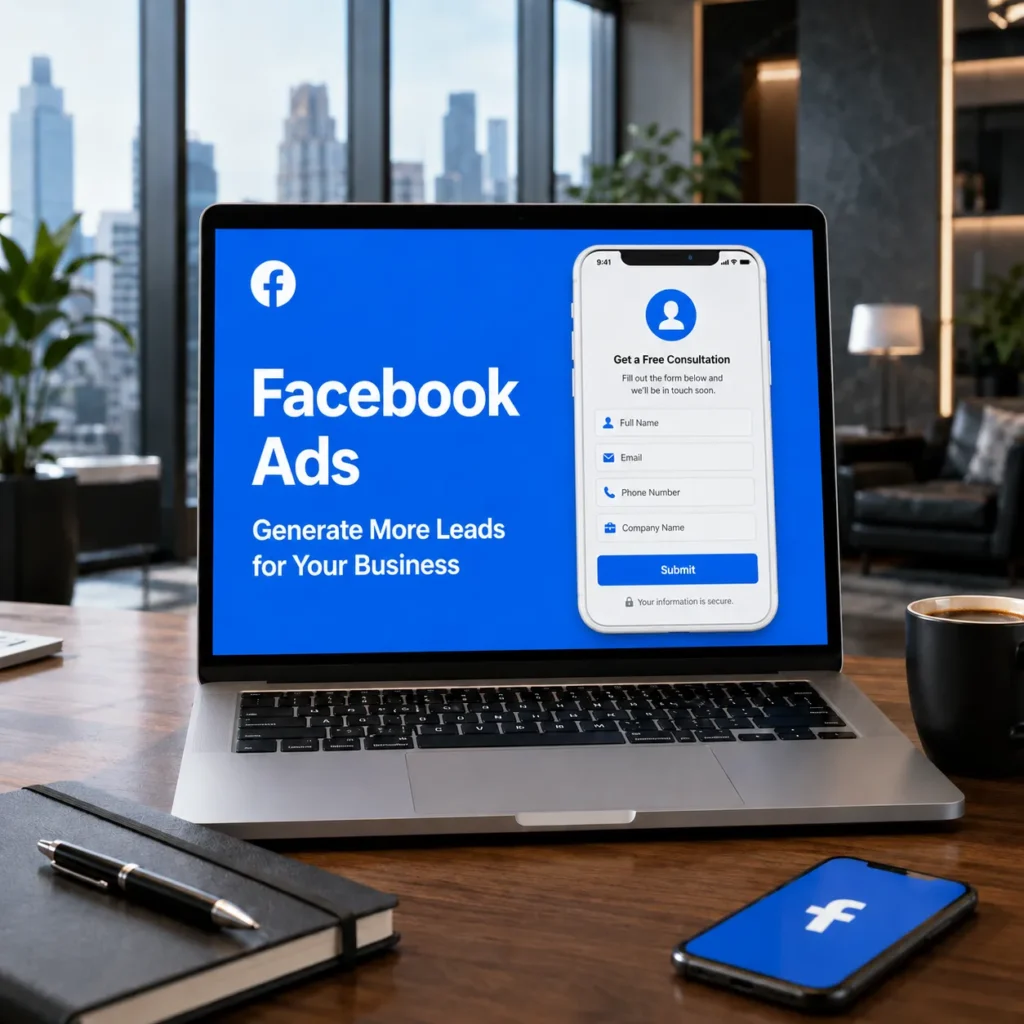
Most Facebook ads fail after the click.
The ad works. The click happens. Then the system breaks.
The landing page doesn’t match the promise. The form asks too much. The offer feels vague. Follow-up takes hours. The lead goes cold.
It’s not a traffic problem. It’s a conversion problem.
Facebook and Instagram are strong attention channels. They put your offer in front of people before they search. That makes Meta ads useful for service businesses with a clear audience and a sharp offer.
But attention is only the first job.
Your ad has to create enough intent for someone to act. Your landing page has to make that action easy. Your team has to follow up fast enough to turn the enquiry into a booking, quote or sale.
Most wasted spend comes from treating the ad like the whole campaign. It isn’t.
A proper Facebook advertising agency doesn’t just manage ads. It manages the path from first impression to revenue.
That means the agency should work on more than campaign setup. It should connect six parts:
Offer: What are you asking the buyer to do, and why now?
Audience: Who needs the service, and what problem are they trying to solve?
Creative: What message stops the right person, not just anyone?
Landing page: Does the page continue the same promise from the ad?
Follow-up: How fast does your team respond, and what happens next?
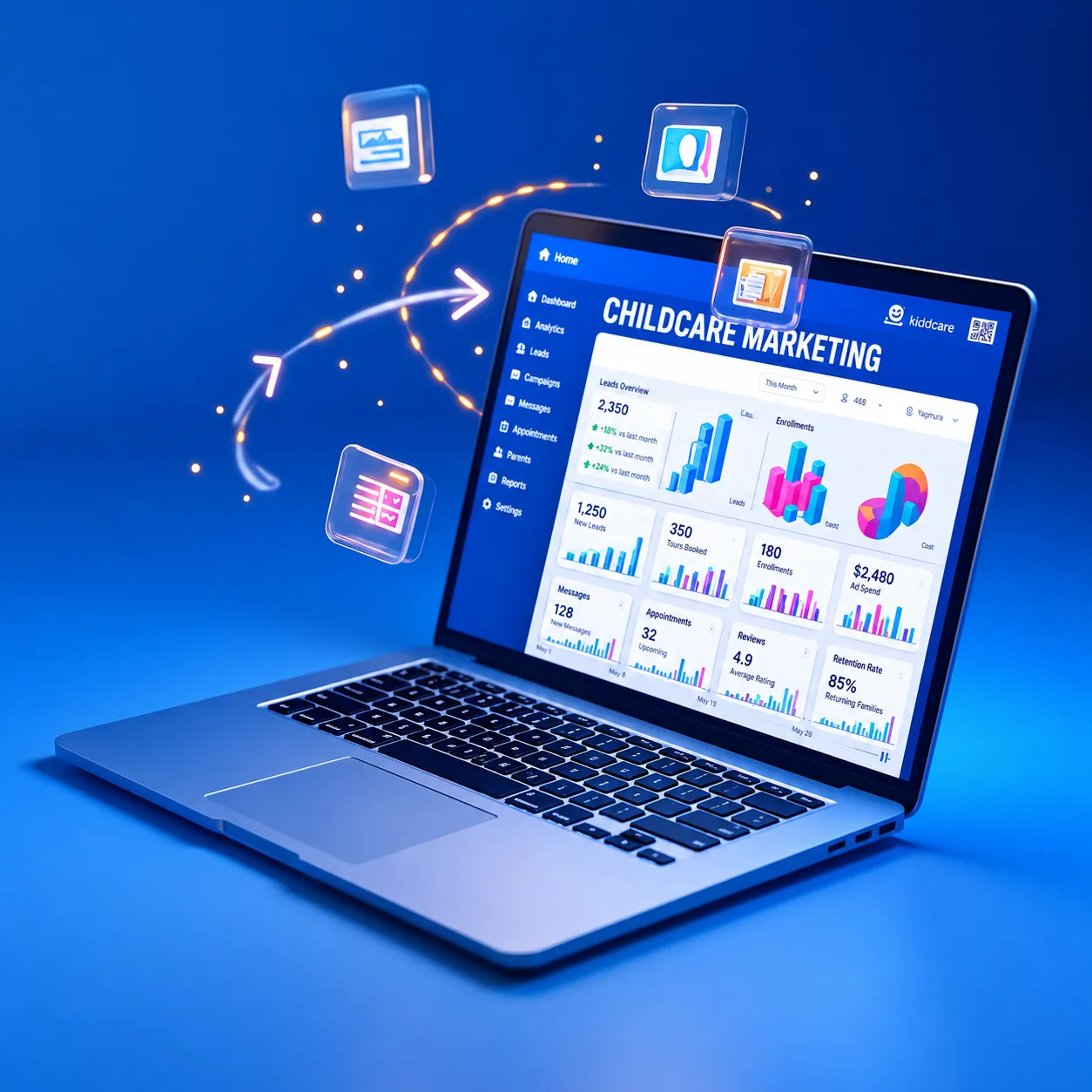
Reporting: Can you see cost per lead, lead quality and revenue by channel?
This is where many businesses get caught.
A low-cost ad manager watches the campaign dashboard. A systems agency follows the money. Where did the lead come from? What did it cost? Did it book? Did it close? What was that customer worth?
That’s the difference between buying ads and building a lead system.
At Hills Media, this sits inside the Full Lead System. Meta ads, Google Ads, landing pages, CRM, automation and reporting work together. Not as loose campaigns. As one acquisition system.
The biggest leak in Facebook advertising is rarely the ad account. It’s the system behind it.
A weak landing page kills intent. The ad promises a specific outcome. The page then gives the visitor a generic service overview. That forces the buyer to do the thinking. Most won’t.
If your page is the weak link, you don’t need more traffic first. You need a Conversion Website that matches the ad promise and turns intent into enquiry.
Slow follow-up kills momentum. The MIT / InsideSales Lead Response Management study found you are far more likely to qualify a lead by contacting them within five minutes than waiting 30 minutes. A lead that looked strong at 9:10am can become a missed sale by lunch because your competitor called first.
We typically find the bottleneck is follow-up speed, not ad budget.
Broken tracking kills decision-making. If your reports stop at clicks, reach or form fills, you’re flying blind. You can’t see which campaign creates booked appointments, qualified calls or actual revenue.
This is why boosting posts burns budget.
Reach increases. The broken system stays the same.
The offer doesn’t improve. The landing page doesn’t improve. Follow-up doesn’t improve. More traffic into a broken funnel doesn’t create more customers.
For established service businesses, the real question is simple: what is your cost per qualified lead, and what does that lead turn into?
If you can’t answer that, your ads are not being managed commercially.
Strong creative starts with the buyer’s problem, not your business.
Your customer doesn’t wake up thinking about your brand. They think about the problem in front of them. The childcare parent needs a centre with vacancies. The solar customer wants lower bills and a clear rebate path. The clinic patient wants an answer, fast.
Your ad should meet that moment.
Use one message per ad. Don’t cram every service, feature and reason to choose you into one creative. Pick one problem, one promise and one next step.
Good hooks sound like the customer’s own words:
“Need childcare in Blackburn South before Term 1?”
“Still waiting for a solar quote that makes sense?”
“Too many enquiries, not enough booked consultations?”
That beats a polished corporate line every time.
Creative also needs to feel native to the platform. It should look like something a person would stop for in-feed. Short video, clear headlines, proof points, simple visuals and direct offers beat overdesigned brand ads that say very little.
For ad format basics, use Meta’s official Ads Guide. For commercial performance, judge the ad by what happens after the click.
A good meta ads agency tests hooks against buyer problems. It doesn’t just rotate colours, buttons and stock images.
Not every buyer is ready to enquire today.
That’s why your campaign structure should match the buyer journey.
At the awareness stage, your ad names the problem. This works for people who feel pain but haven’t compared options yet.
At the consideration stage, your ad explains the solution. It shows why your process, offer or service makes sense.
At the conversion stage, your ad gives a clear next step. Book a tour. Request a quote. Start an audit. Speak with the team.
Most campaigns fail because they push every audience straight to the same form.
That creates cheap leads, not quality leads.
A better structure uses the right message for the right level of intent. It gives your sales team a lead with context, not just a name and phone number.
Likes don’t pay the bills.
Reach doesn’t tell you whether the campaign is profitable. Click-through rate doesn’t tell you whether the lead is worth calling. Cost per lead alone doesn’t tell you enough either, because cheap leads can waste the most time.
Measure what connects to revenue:
This is where proper tracking matters.
Google Analytics key events, CRM stages and ad platform data need to connect. You need to know which campaigns create the actions your business values, not just which ones create activity.
A form fill is a starting point. A booked job, enrolled family, signed client or approved quote is the commercial result.
That’s the number your agency should care about.
You should hire a facebook advertising agency when your business has a proven offer, sales capacity and enough margin to turn paid leads into profit. Hire help when you need better cost per qualified lead, cleaner tracking and a tighter path from click to booked enquiry.
If you’re still testing the business model, fix that first.
If you already have demand, sales capacity and a defined customer, agency support makes sense. The right agency brings structure, testing discipline and reporting that shows what your spend is doing.
Hiring help is also the right move when you’re spending money but can’t answer these questions:
If those answers are unclear, your ad spend is exposed.
A good agency won’t just ask for more budget. It will find the bottleneck before scaling spend. If the system is working and you’re ready to scale what converts, the Growth Accelerator is built for that next stage.
Facebook ads work best when they sit beside Google Ads, SEO, landing pages and CRM follow-up.
Meta is strong for demand creation. Google Ads is strong for demand capture. Your website converts the intent. Your CRM keeps the follow-up tight. Reporting shows what is worth scaling.
That is the Full Lead System approach.
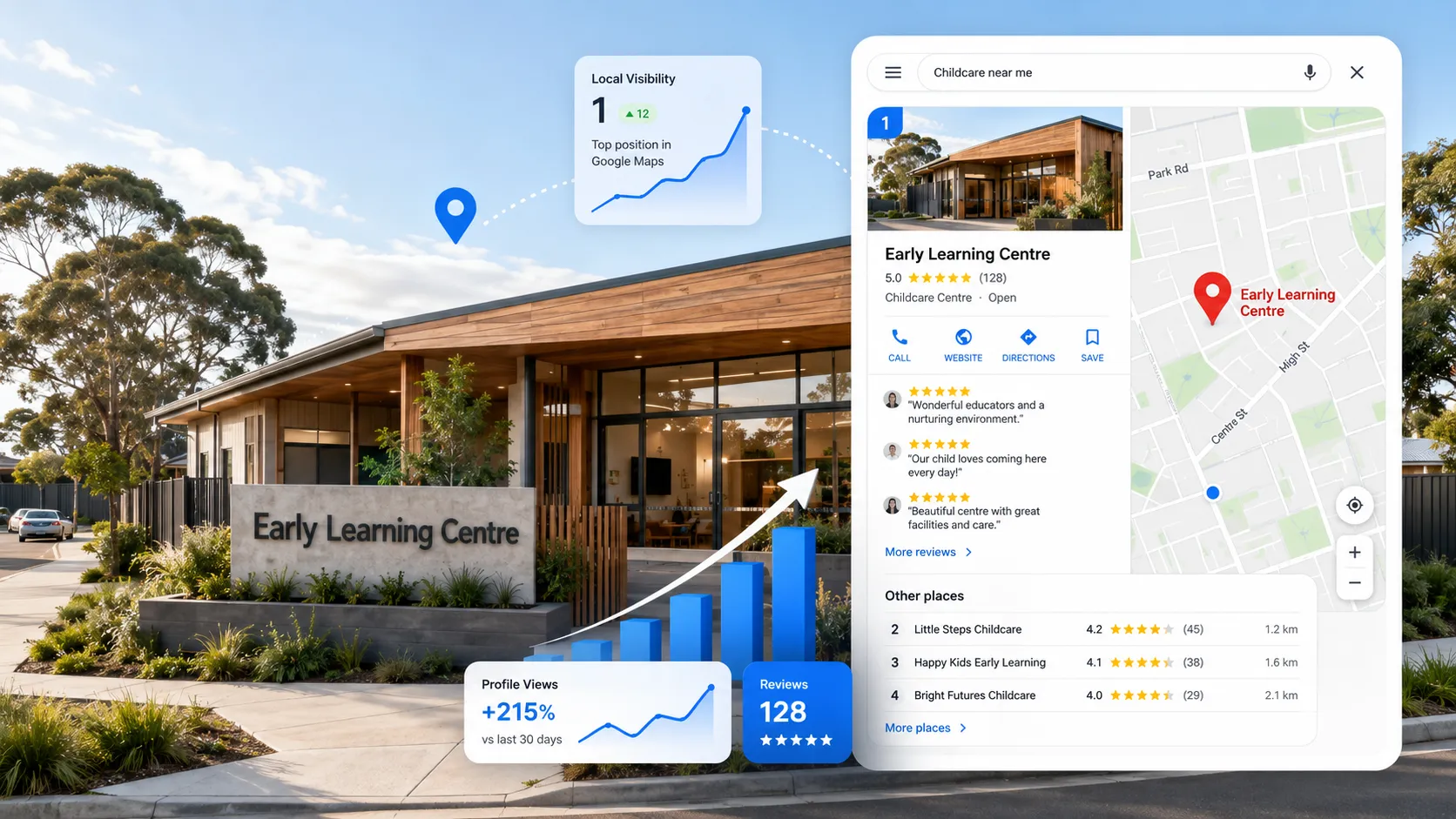
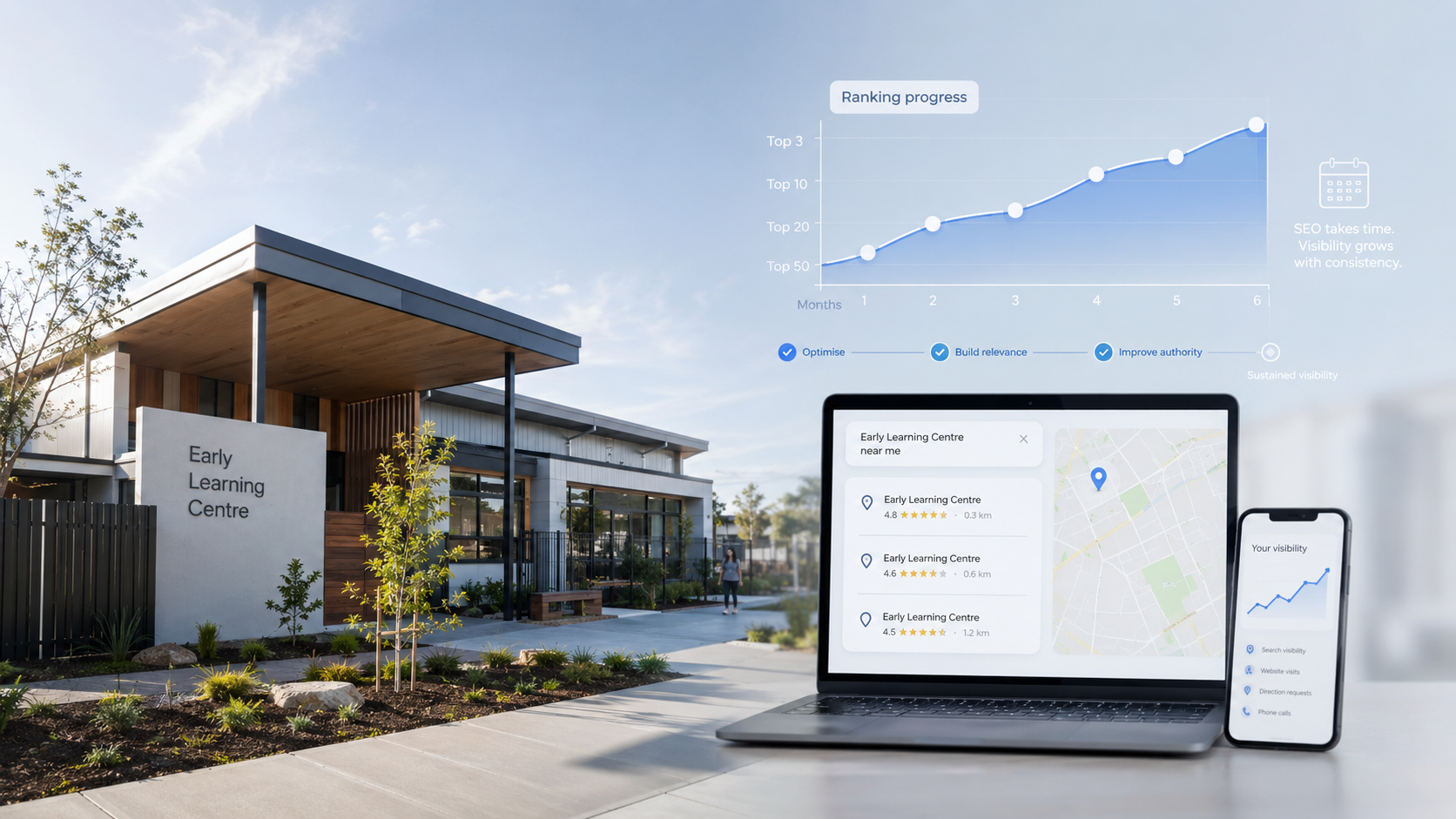
For a childcare provider, Meta can reach parents before they search. Google Ads can capture “childcare near me” intent. A conversion website can turn visits into tour bookings. CRM automation can remind the team to follow up fast.
For a solar or VEU business, Meta can explain the offer before the customer compares quotes. Google can capture high-intent search. Tracking can show which channel creates approved jobs, not just leads.
For professional services, Meta can build trust before the buyer is ready. Google can capture active demand. The landing page can turn that demand into booked consultations.
If you’re comparing a facebook ads agency melbourne businesses can use to fix lead quality, look past the ad account. Ask how the agency connects the offer, page, CRM and reporting.
This is why Hills Media doesn’t treat social media advertising as a standalone tactic.
We build systems, not random campaigns.
If your Facebook ads are getting attention but not enough qualified leads, the fix is not more posting. It’s a stronger lead path.
Your ad spend should show up in cost per lead, booking rate and revenue. If it doesn’t, the system needs work.
Book a Lead System Audit and we’ll diagnose where your Facebook ads are leaking spend, from offer and landing page through to follow-up and tracking.